Resistors
A resistor opposes the current through it and turns that energy into heat. Fixed resistors differ by the material they are made of and the power they can handle; potentiometers and trimpots are adjusted by hand. LDRs, thermistors and varistors change value with light, temperature or voltage.
11 types3 groupsSymbol IEC
Fixed
6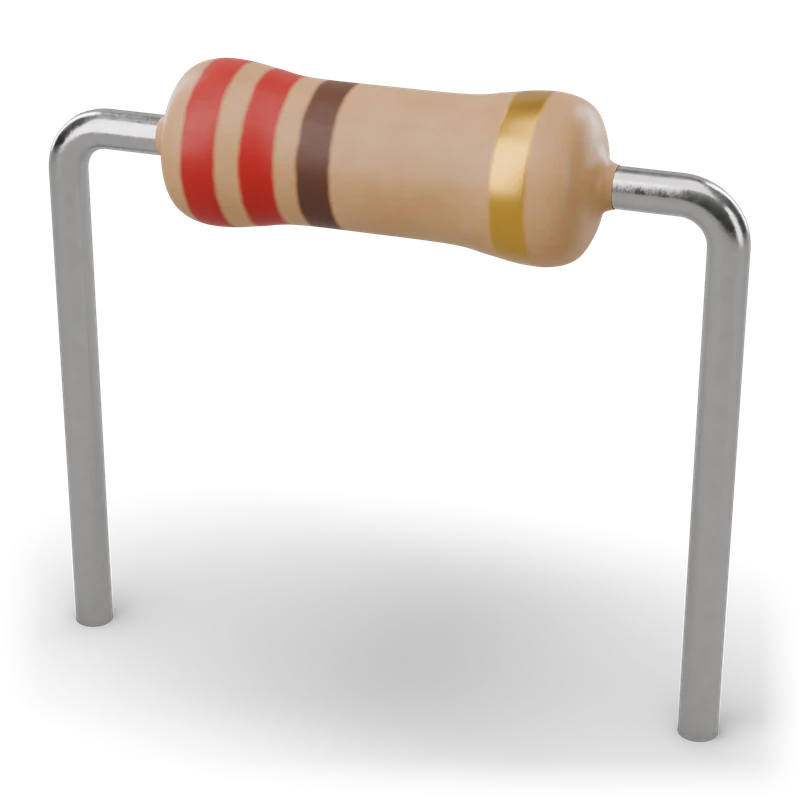
Carbon film resistorGeneral-purpose circuits, LED current limiting and dividers
- Power
- 0.25 W
- Tolerance
- ±5%
- Range
- 1 Ω – 10 MΩ
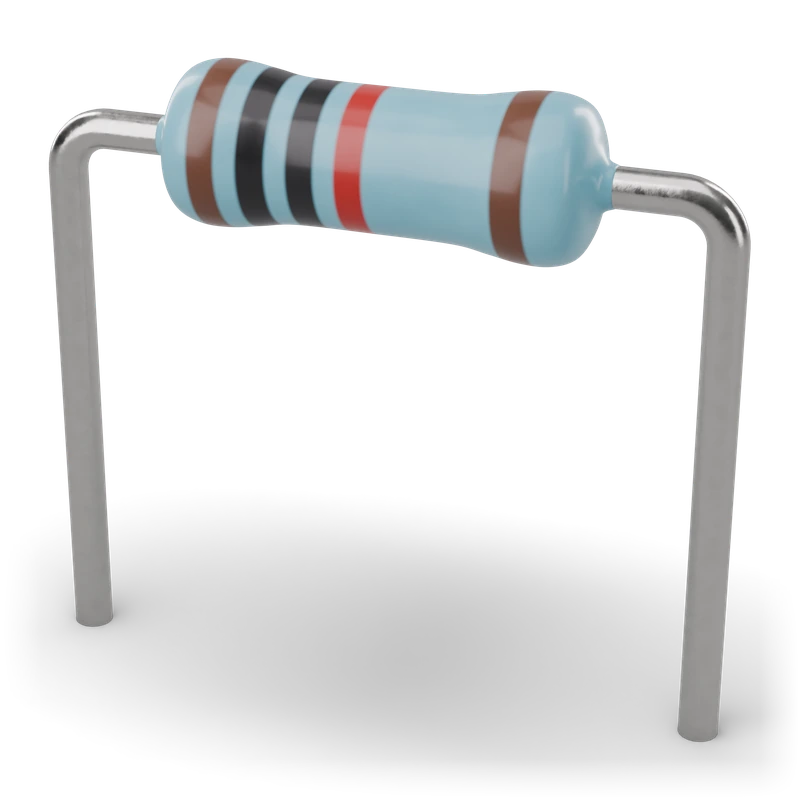
Metal film resistorPrecision measurement, stable dividers and low-noise audio circuits
- Tolerance
- ±1%
- Power
- 0.25 W
- Temp. coeff.
- ±50–100 ppm/°C
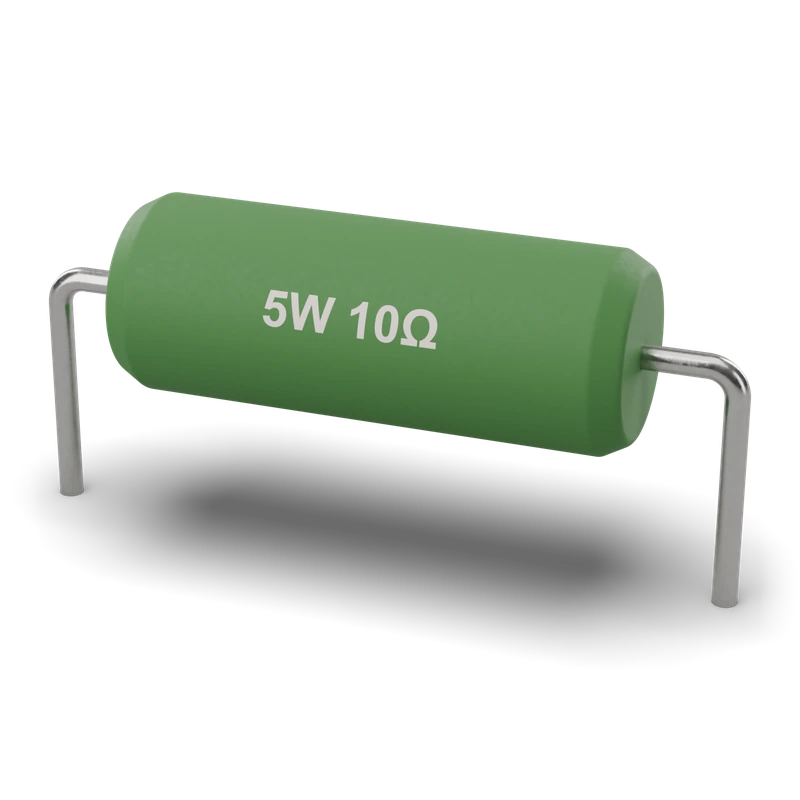
Wire-wound resistorHigh power, current sensing (shunt) and low-value resistors
- Power
- 1–10 W
- Tolerance
- ±1% · ±5%
- Range
- 0.1 Ω – 10 kΩ
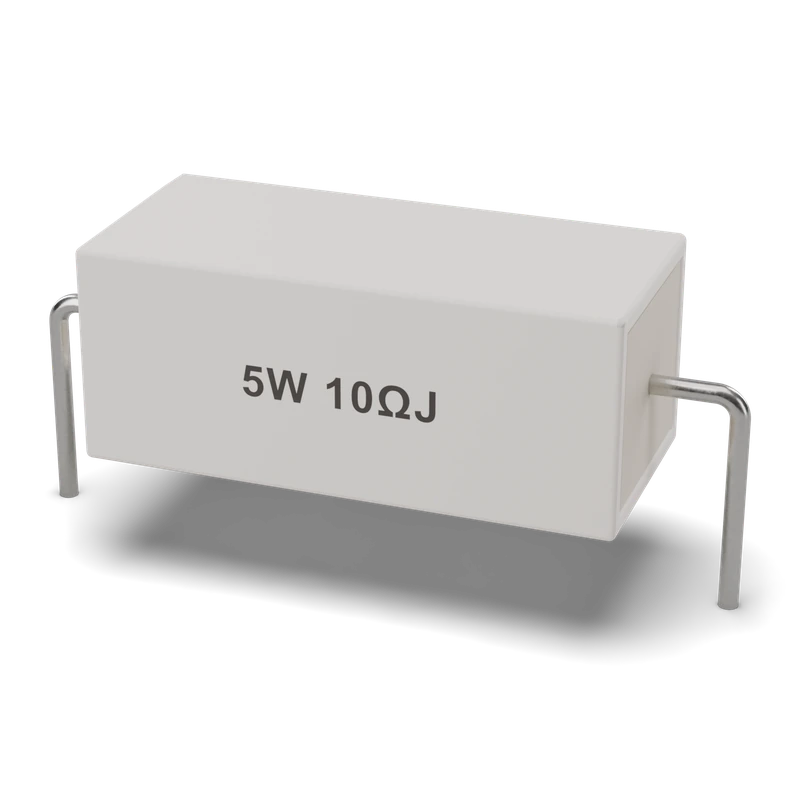
Cement (power) resistorResistors dissipating several watts: load, discharge, current limiting
- Power
- 2–20 W
- Tolerance
- ±5%
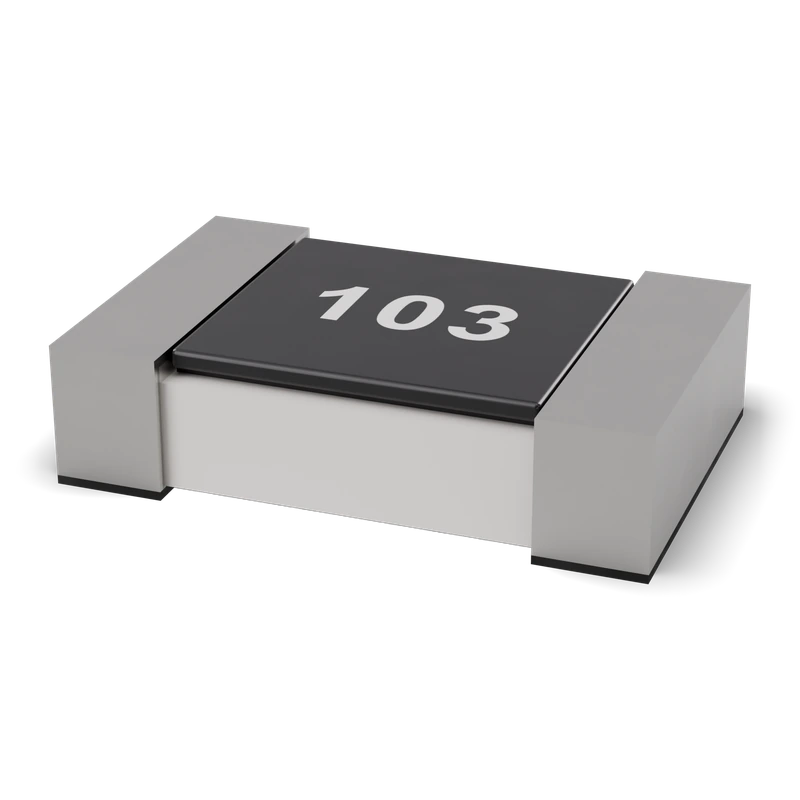
SMD chip resistorReady-made boards and mass production; small area, automatic assembly
- Package
- 0805 / 0603
- Power
- 0.125 W (0805)
- Tolerance
- ±1% · ±5%
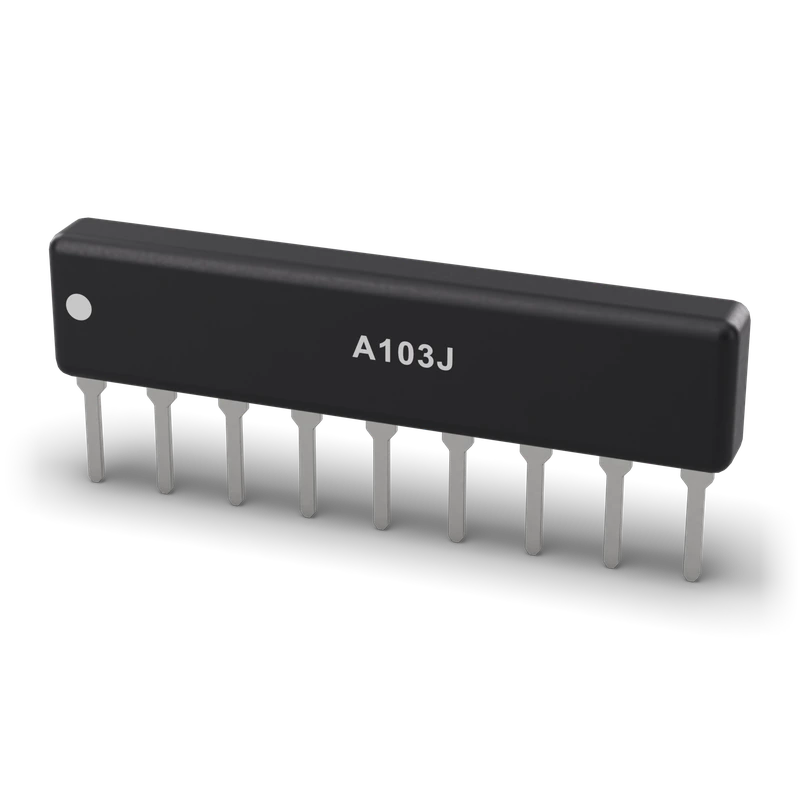
Resistor network (SIP)Many resistors of the same value: pull-up lines, LED groups
- Pin
- 9 (8 resistors + common)
- Tolerance
- ±2%
- Power
- ≈0.2 W / resistor
Adjustable
2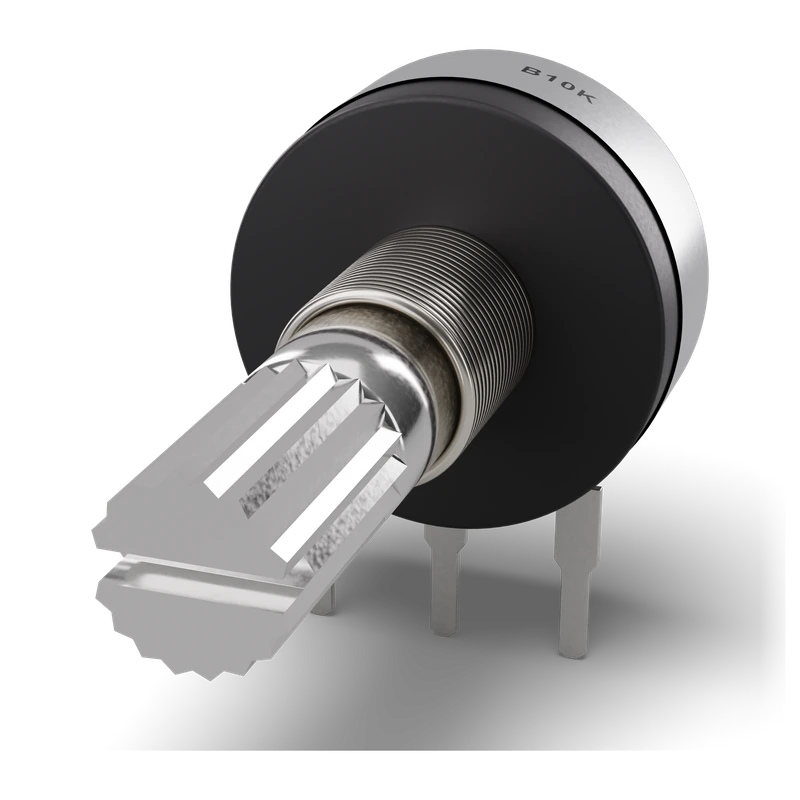
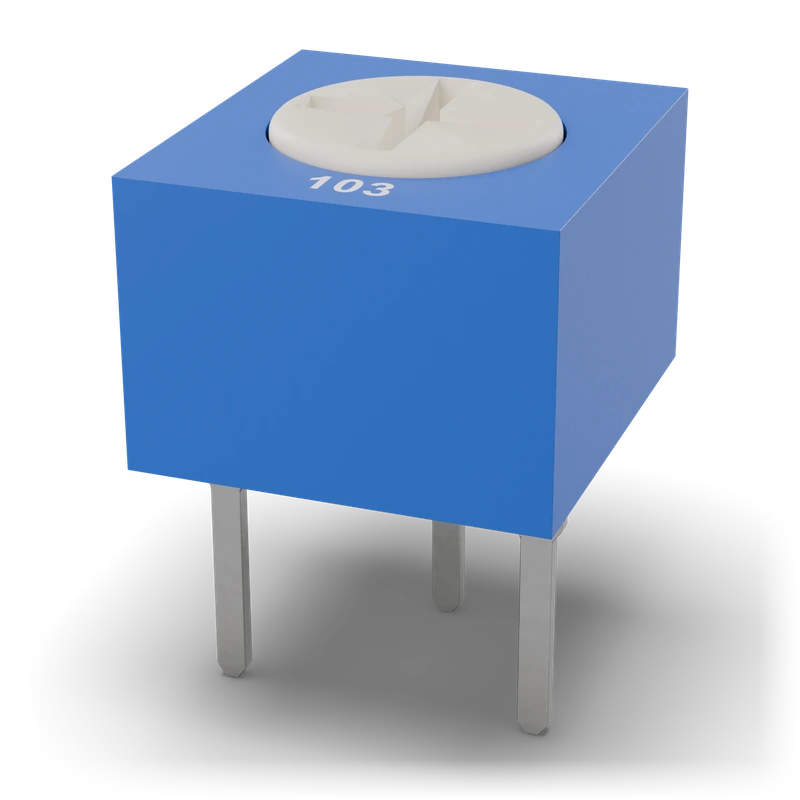
Sensing and protecting
3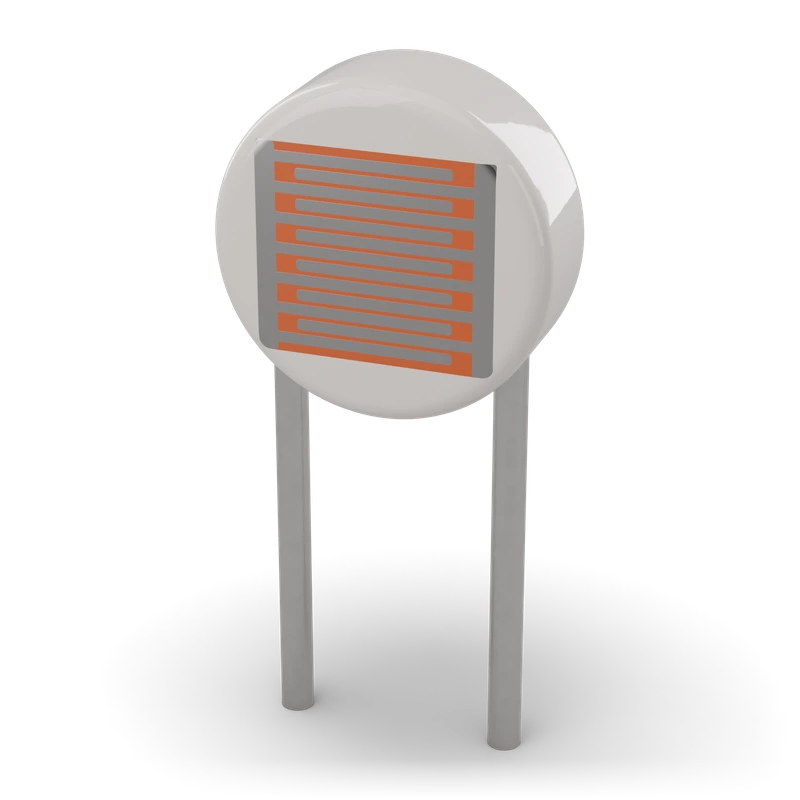
LDR (photoresistor)Simply sensing whether the surroundings are light or dark
- At 10 lux
- 8–20 kΩ
- In the dark
- ≥ 1 MΩ
- Power
- max. 100 mW
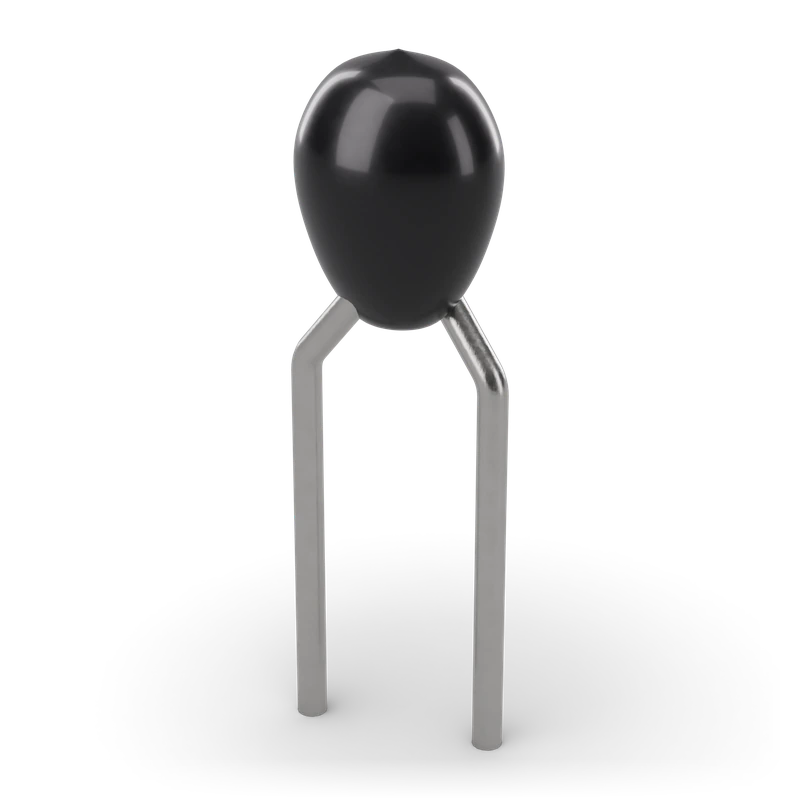
Thermistor (NTC/PTC)Measuring temperature, or protecting against overcurrent and heating
- At 25 °C
- 10 kΩ
- B value
- 3950 K
- Tolerance
- ±1%
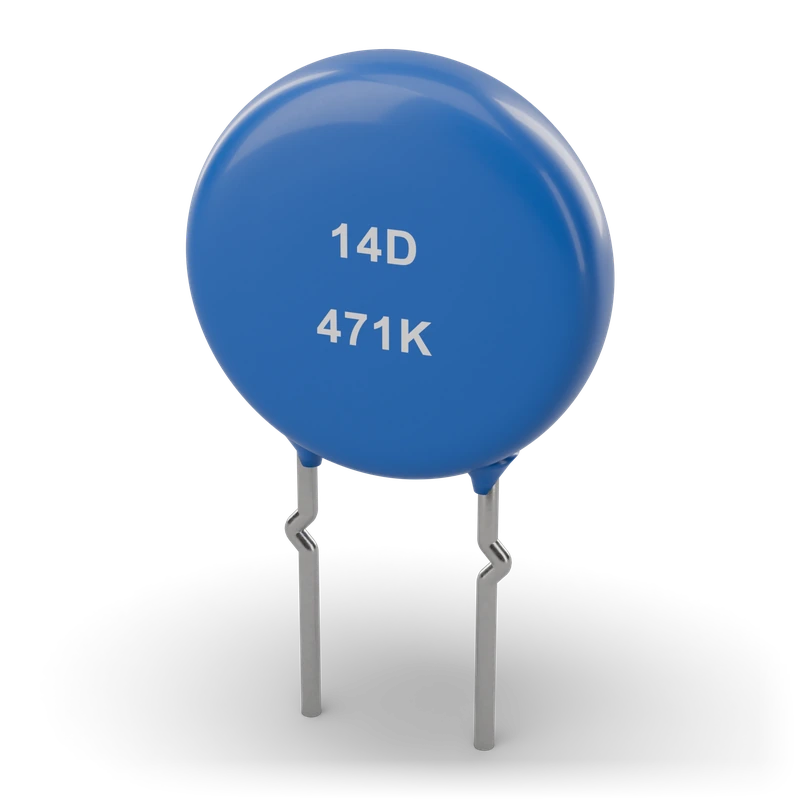
VaristorProtecting the circuit from sudden voltage spikes
- Varistor voltage
- 470 V (±10%)
- Body
- 14 mm disc
Which one should I choose?
1
If you are limiting LED current or building a general circuit
Cheap and available everywhere; 5% tolerance is enough.
2
If you're making a measurement or a precision voltage divider
1% tolerance, low noise and little change with temperature.
3
If more than 1 W of power will be dissipated in the resistor
The big ceramic body dissipates heat safely.
4
5
For an adjustment you set once and leave
Takes little space on the board, does not turn by accident.
6
If the circuit should react to light
Resistance falls as light increases; suits simple threshold detection.
Compare11 types · 5 features
| Type | Value | Tolerance | Power | Price | Typical use |
|---|---|---|---|---|---|
| Carbon film resistor | Fixed | ±5% | 0.25 W | Very low | General purpose, LED |
| Metal film resistor | Fixed | ±1% | 0.25–0.6 W | Low | Precision divider, measurement |
| Wire-wound resistor | Fixed | ±1% · ±5% | 1–10 W | Medium | Shunt, load resistor |
| Cement (power) resistor | Fixed | ±5% | 2–20 W | Low | Load, discharge |
| SMD chip resistor | Fixed | ±1% · ±5% | 0.063–0.25 W | Very low | Ready-made boards |
| Resistor network (SIP) | Fixed (8 pcs) | ±2% | ≈0.2 W / resistor | Low | Pull-up groups |
| Potentiometer | Adjusted by shaft | ±20% | ≤ 0.5 W | Low | Volume, brightness adjustment |
| Trimpot | Screwdriver-adjustable | ±10% | 0.5 W | Low | Calibration |
| LDR (photoresistor) | Changes with light | Wide spread | ≤ 100 mW | Very low | Light sensing |
| Thermistor (NTC/PTC) | Changes with temperature | ±1% · ±5% | Very small (mW) | Very low | Measuring temperature |
| Varistor | Changes with voltage | ±10% | Pulse energy (J) | Low | Overvoltage protection |
Typical values; vary by manufacturer and series.