Inductors and transformers
An inductor resists changes in current and stores energy in a magnetic field. A transformer transfers AC energy through separate windings on the same core; the turns ratio sets the voltage. DC resistance, saturation and heating limits matter. The Lab uses low voltage only; no real connection is made to a 230 V primary.
2 types2 groupsSymbol IEC
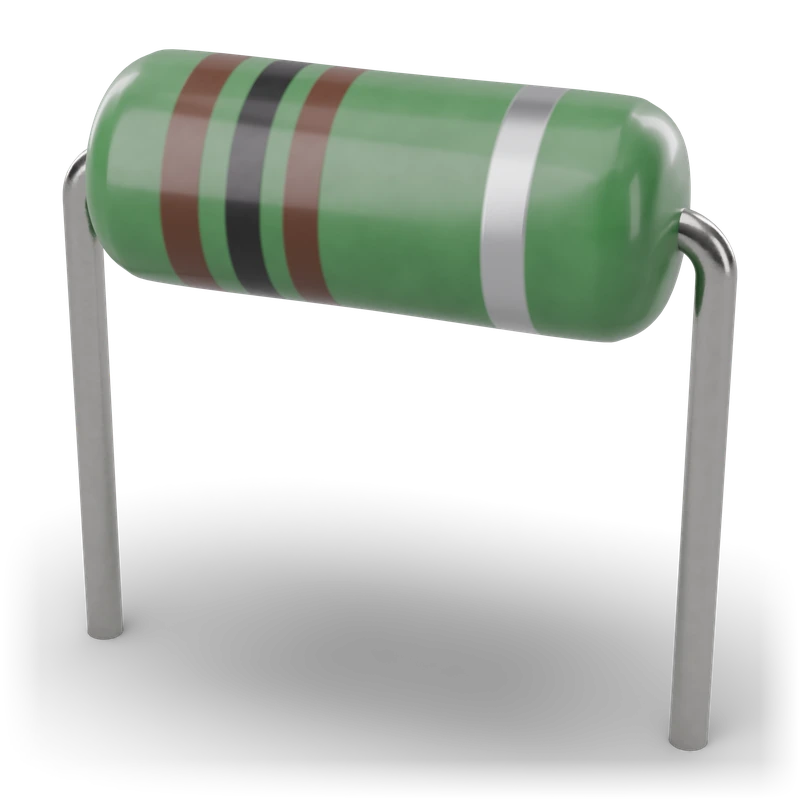
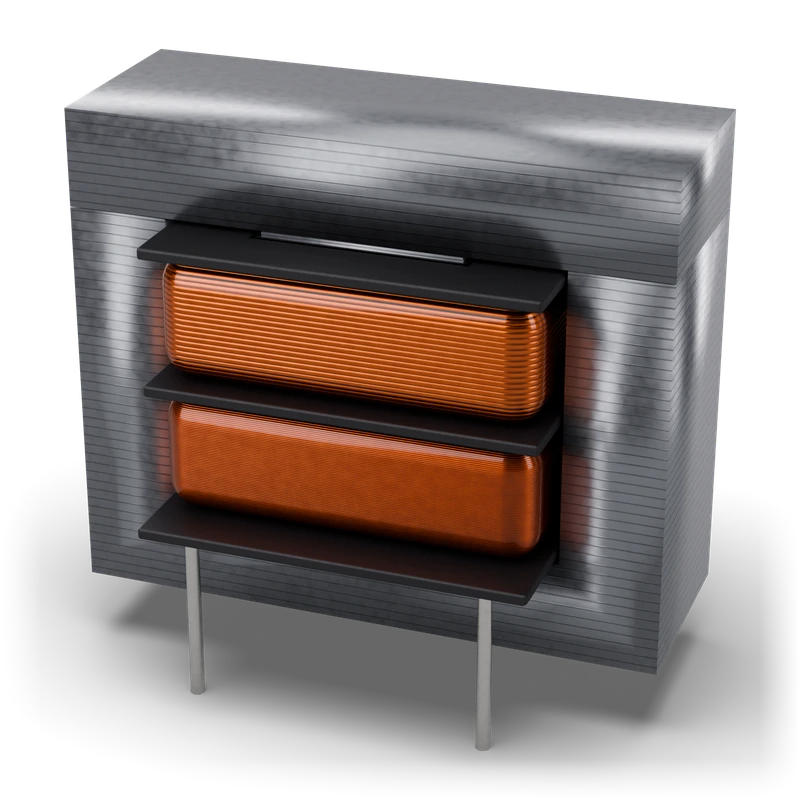
Which one should I choose?
1
When you need to slow down current changes or build an LC filter
Choose DCR, Isat and heating current together with the inductance.
2
When you need to convert AC voltage by the turns ratio
Separate windings provide isolation; in a real experiment use a closed low-voltage source.
Compare2 types · 4 features
| Type | Base value | Current limit | Isolation | Typical use |
|---|---|---|---|---|
| Inductor / coil (100 µH) | 100 µH, DCR ≈0.3–1 Ω | Isat and Irms, depends on the series | Single winding, no galvanic isolation | LC filter, energy storage |
| Transformer (24 V / 12 V, EI30) | 24 / 12 V AC, 2:1 (Lab) | Primary overload above 150 mA (Lab) | Separate primary and secondary | Isolated low-voltage AC |
Typical values; they vary by manufacturer and series. Lab uses only low voltage.